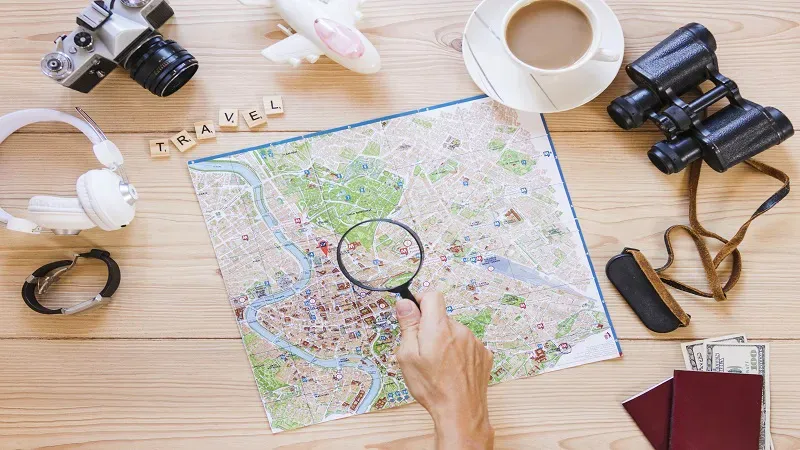
Maps are one of the most useful tools for understanding the world around us. They help people discover new places, plan journeys, learn geography, and find important locations easily. With the growth of digital technology, maps have become faster, smarter, and more accessible for everyone.
Today, people use online maps for many purposes, including travel planning, education, outdoor activities, and daily navigation. A well-organized map guide helps users understand locations better and provides useful information in a simple format.
The Map Guide LWMFMaps from LookWhatMomFound focuses on making map-related information easier to understand. It provides a helpful approach for people who want to explore locations, learn about different areas, and use maps more effectively.
Understanding Digital Maps
Digital maps have completely changed how people search for locations and plan their movements. Unlike traditional paper maps, digital maps provide updated information and allow users to explore places quickly.
Modern maps can show roads, landmarks, distances, nearby locations, and travel routes. These features make them useful for both personal and professional purposes.
People no longer need to spend hours studying complicated maps. With digital tools and simple guides, anyone can understand locations and directions with less effort.
Why Map Guides Are Important
A map guide helps users understand more than just directions. It provides additional details that make exploring places easier and more enjoyable.
The Map Guide LWMFMaps from LookWhatMomFound highlights the importance of organized location information. A good map guide should explain locations clearly and help users make better decisions.
Important benefits of map guides include:
- Easy understanding of different locations
- Better travel preparation
- Improved geographical knowledge
- Faster route planning
- Simple access to location details
These advantages make map guides useful for people of different ages and backgrounds.
Benefits of Using Maps for Exploration
Maps are valuable resources for anyone interested in discovering new places. Travelers can use them to explore destinations before visiting and understand important details about an area.
Families can use maps when planning vacations, road trips, and outdoor activities. Maps help identify attractions, routes, and useful facilities nearby.
Students can also benefit from maps because they provide a visual way to learn about countries, cities, mountains, oceans, and other geographical features.
How Maps Help With Travel Planning
Travel planning becomes easier when people have access to accurate location information. Before starting a trip, travelers can check routes, estimate distances, and identify important places.
A helpful map guide allows users to:
- Find the best routes
- Understand travel distances
- Discover nearby attractions
- Organize travel schedules
- Avoid unnecessary delays
Using maps before traveling creates a smoother and more organized experience.
The Role of Maps in Everyday Activities
Maps are not only useful for travelers. They also play an important role in everyday life.
People use maps to find restaurants, schools, parks, shopping areas, hospitals, and public services. They also help individuals understand neighborhoods and explore unfamiliar locations.
The Map Guide LWMFMaps from LookWhatMomFound represents how location-based information can support daily activities. Simple map resources allow users to find important details without confusion.
Learning Geography Through Maps
Maps are powerful educational tools that make geography easier to understand. They help students visualize the relationship between different places around the world.
Teachers and parents often use maps to explain countries, continents, natural features, and historical locations.
Visual learning through maps encourages curiosity and helps people remember information more effectively. A good map guide can make learning geography more interesting and practical.
Important Features of a Good Map Guide
A quality map guide should include features that improve the user experience. Simple design and accurate information are important for effective navigation.
Clear Location Information
A good map should provide understandable details about different places. Clear labels and descriptions help users identify locations quickly.
Updated Information
Locations and routes can change over time. Updated information ensures that users receive reliable details.
Simple Navigation
A user-friendly layout allows people to search and explore locations without difficulty.
Helpful Descriptions
Descriptions provide additional knowledge about places and help users understand their importance.
How Technology Has Improved Maps
Technology has made maps more advanced and convenient. GPS systems, smartphones, and online mapping tools have improved how people access location information.
Modern mapping features include:
- Real-time navigation
- Route recommendations
- Location sharing
- Distance measurement
- Interactive exploration
These improvements have made maps an essential part of modern life.
Tips for Using Maps Effectively
Using maps correctly can save time and improve planning. Following a few simple tips can help users get better results.
Review Routes Before Traveling
Checking routes before starting a journey helps avoid confusion and unexpected problems.
Learn Basic Map Symbols
Understanding common symbols makes it easier to read and interpret maps.
Save Useful Locations
Saving frequently used places allows faster access in the future.
Check Multiple Options
Comparing different routes can help users choose the most convenient option.
Why Digital Map Guides Are Becoming More Popular
The demand for digital map guides continues to grow because people want quick and reliable information. Online resources make it easier to explore locations without needing advanced knowledge.
A simple and informative guide can help users understand places better and improve their overall experience.
The Map Guide LWMFMaps from LookWhatMomFound shows the value of combining location details with easy explanations. Such guides help users explore the world in a more organized way.
Future of Digital Mapping
The future of mapping technology looks promising. New developments in artificial intelligence and smart technology are making maps more accurate and interactive.
Future maps may provide personalized recommendations, improved navigation, and more detailed information about locations.
As technology continues improving, map guides will remain important tools for travel, education, and everyday activities.
Conclusion
Maps are essential resources that help people explore, learn, and navigate the world. They provide valuable information for travelers, students, families, and everyday users.
The Map Guide LWMFMaps from LookWhatMomFound demonstrates how organized map information can make location discovery easier and more useful. By providing clear details and simple explanations, map guides help people better understand different places.
Whether someone is planning a trip, learning geography, or searching for a location, a reliable map guide can make the experience easier and more enjoyable.